




冷冻及水产品进入节前高峰阶段,市场运行以稳为主
要闻
随着春节临近,冷冻及水产品行业进入全年关键运行阶段之一。受节日消费与备货周期影响,餐饮、商超、团餐及礼品渠道需求集中释放,市场呈现出节前备货提速、冷链高负荷运转与供应链协同要求提升等典型特征。对多数采购方而言,此阶段的核心诉求不只是“买得到”,更是“供得稳、到得准、品质一致”。
从需求端来看,春节前是冷冻水产品消费的集中窗口。一方面,餐饮企业为保障假期营业稳定,通常会在节前完成原料的阶段性储备;另一方面,商超、电商与社区渠道围绕年节家庭聚餐与礼赠场景,提升对高频水产品及冷冻品的采购强度。在多场景需求叠加下,市场成交节奏明显加快,部分品类走货速度提升,渠道对交付稳定性的敏感度也随之上升。
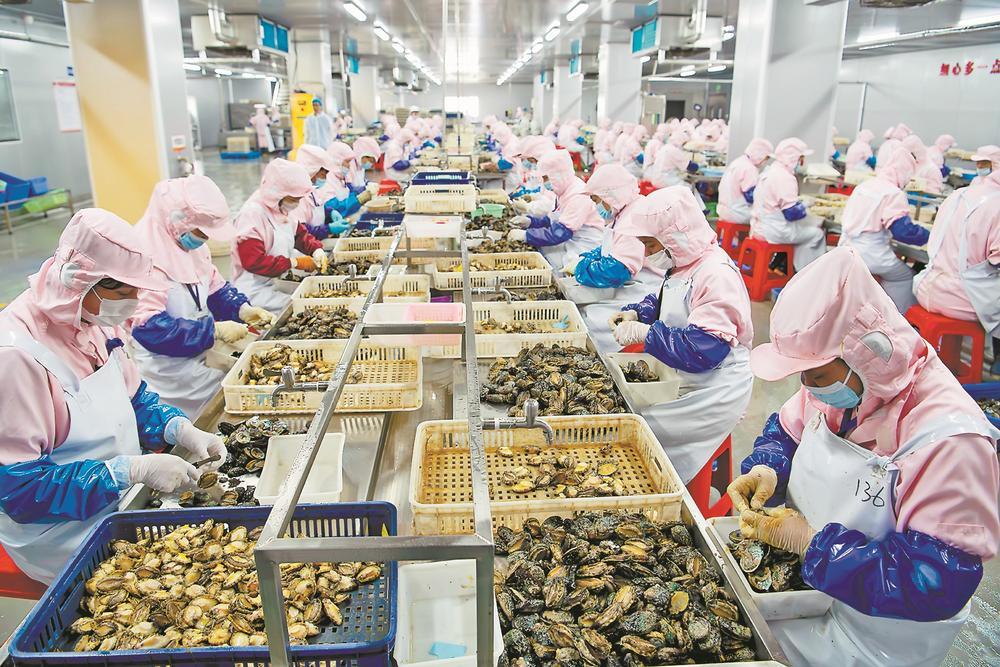
从供给侧看,当前冷冻及水产品整体供应保持相对稳定,进口与国产水产品到货节奏总体可控。节前阶段冷链仓储与物流体系进入高负荷运行状态,行业普遍提前开展库存计划与仓配调度,以保障节日期间供应连续性。与此同时,部分品类仍会受到捕捞周期、产地出货节奏、阶段性配额与运输资源紧张等因素影响,呈现结构性变化,但整体市场秩序保持良好。
走势
在品类层面,冻虾、冻鱼、贝类等常规水产品仍是节前市场主力,需求表现相对稳定。部分高附加值或节庆属性较强的水产品,在礼盒与宴席消费带动下关注度提升,但采购方对规格稳定、分割标准与交付时效的要求更为明确。整体来看,市场运行以稳中有序为主,未出现明显供需失衡。
价格方面,节前阶段整体以稳定运行为主。受产区供给、捕捞季节、物流成本与阶段性补库强度影响,个别品类存在小幅结构性波动,但波动范围总体可控。当前不少渠道更关注供应稳定性与履约能力,价格不再是唯一决策因素:在旺季阶段,“断供、延误、品质不一致”的隐性成本往往更高。
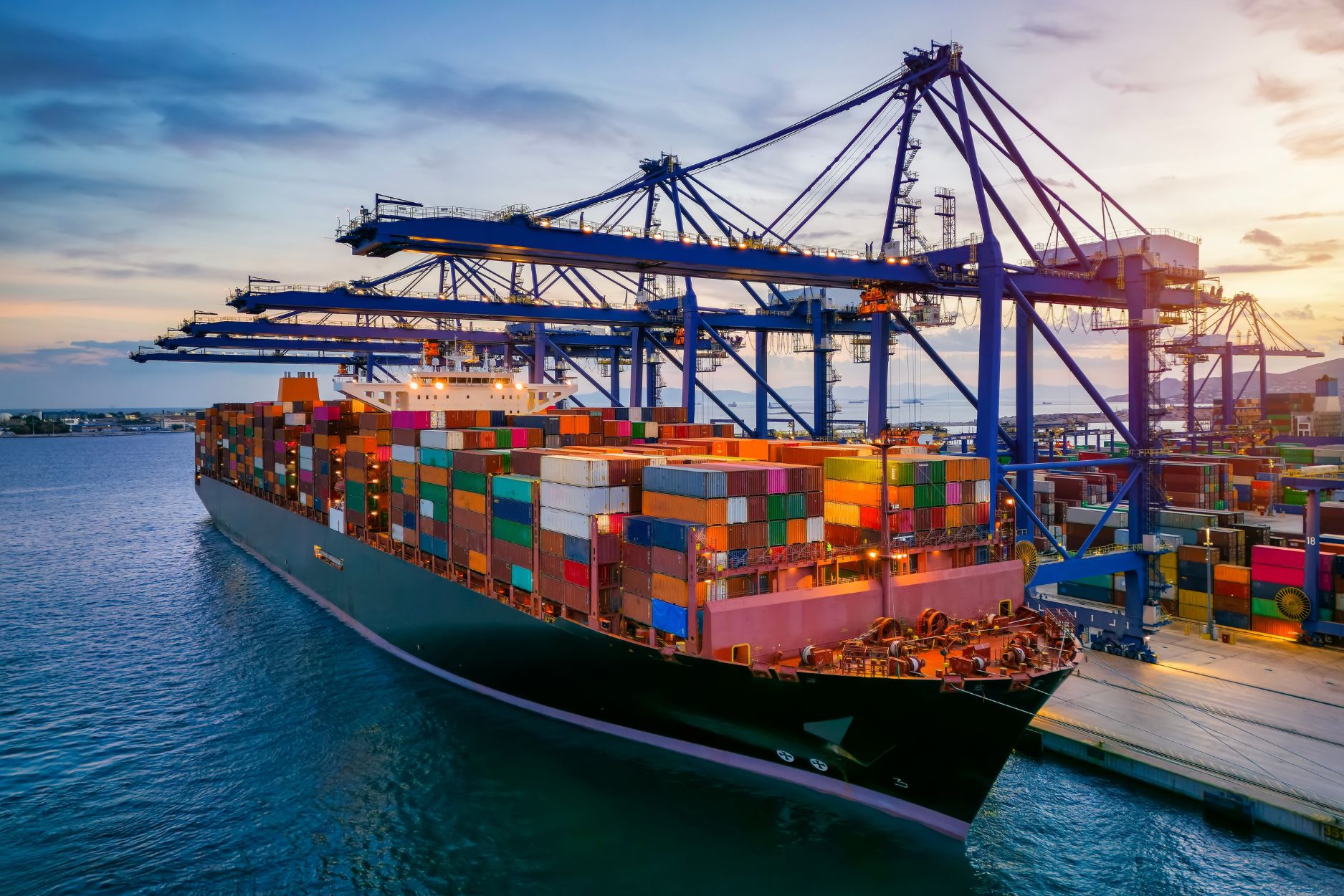
流通环节方面,春节前冷链体系对行业运行的重要性进一步凸显。冷库周转频率提高,冷藏运输需求集中释放,对仓储管理、车辆调度、在途温控与节点衔接提出更高要求。具备成熟冷链体系与快速响应能力的供应链企业,在节前阶段更易保障交付稳定与服务连续性,也更能获得渠道长期合作的认可。
观察
行业层面来看,节前阶段也是对供应链综合能力的一次集中检验。面对短期需求集中释放的市场环境,下游客户更加关注货源稳定、品质一致性与交付可靠性。行业竞争重心正由单一价格因素,向综合保障能力、服务稳定性与风险控制能力转移:谁能在高强度运行周期中做到“不断供、不掉链、可追溯”,谁就更具韧性与长期优势。
综合来看,临近春节,冷冻及水产品行业运行总体平稳,市场需求旺盛但秩序良好。对行业参与者而言,如何在高强度运行周期中保持供应稳定、品质可控与履约可靠,是当前阶段的核心课题。海和兴将持续关注行业动态,依托稳定货源、严格品控与完善冷链体系,为合作伙伴提供更可靠的供应保障与交付支持,助力客户在节前高峰阶段实现稳定经营与高效周转。
Frozen Seafood Enters Pre-Holiday Peak Season with a Stable Market Outlook
Key News
As the Lunar New Year approaches, the frozen seafood sector is entering one of the most critical operating windows of the year. Seasonal consumption patterns and the annual restocking cycle drive a concentrated release of demand across foodservice, supermarkets, group catering, and gift channels. The market typically shows clear characteristics during this period: accelerated pre-holiday purchasing, high-load cold-chain operations, and a stronger need for end-to-end coordination. For buyers, the priority shifts beyond “availability” to a more practical question: whether supply can remain stable, delivery can be punctual, and quality can stay consistent under peak pressure.
On the demand side, the weeks leading into the holiday are a decisive consumption window. Restaurants and catering operators commonly build inventory in advance to secure stable operations during the holiday schedule. At the same time, retailers, e-commerce platforms, and community channels increase procurement around family dining, gatherings, and premium gifting scenarios. With multiple consumption scenarios overlapping, transaction pace accelerates and turnover improves for several key categories. In parallel, buyers become more sensitive to delivery reliability, specification consistency, and the ability of suppliers to keep fulfillment stable when demand spikes.
From the supply perspective, overall availability remains relatively steady, with both imported and domestic flows generally under control. However, the pre-holiday period places the cold-chain system under heavy load: warehouses and transport networks run at higher intensity, and suppliers often rely on earlier inventory planning and dispatch scheduling to protect continuity. Even so, certain categories may still experience structural shifts caused by fishing seasons, origin-level shipment rhythm, quota-related factors, and tight transportation capacity. These changes can lead to localized fluctuations, but they do not necessarily indicate market disorder; rather, they reflect the normal operational constraints that come with peak-season logistics.
Market Trend
In terms of category performance, core items such as frozen shrimp, frozen fish, and shellfish remain the backbone of pre-holiday demand, with purchasing behavior staying relatively stable and predictable. For higher-value seafood items with strong festive attributes, attention often increases due to gifting and banquet consumption. Yet buyers in these segments typically require stricter standards: clearer size grades, standardized cuts, consistent packaging, and reliable arrival schedules. Overall, the market tends to operate in an orderly manner, and broad supply-demand imbalances are not commonly observed when procurement and distribution are planned in advance.
Pricing during the pre-holiday window is generally stable. While certain items may show minor structural movements due to origin supply, fishing cycles, logistics costs, and restocking intensity, these changes are often limited in scope. Importantly, many professional channels no longer view price as the only deciding factor. Under peak-season pressure, the hidden costs of supply interruption, delivery delays, and inconsistent quality can exceed the visible cost of a short-term price difference. As a result, buyers increasingly prioritize stable supply, fulfillment capability, and risk-controlled procurement strategies.
From a circulation perspective, the cold-chain system becomes even more decisive before the holiday. Warehouse turnover increases, refrigerated transportation demand concentrates, and the industry faces a higher requirement for temperature control, dispatch coordination, and on-time delivery across key nodes. The operational advantage shifts toward suppliers with mature warehousing systems, stable transport capacity, and quick-response mechanisms. In this context, cold-chain performance is not merely a supporting function—it becomes a core competence that directly affects the reliability of market supply.
Observation
At the industry level, the pre-holiday period is a stress test for comprehensive supply-chain capability. With demand concentrated into a shorter timeframe, downstream customers pay closer attention to the stability of sourcing, the consistency of quality, and the reliability of fulfillment. Competition is increasingly moving away from price-only considerations toward integrated assurance capability, service stability, and risk management. The practical benchmark is straightforward: whether a supplier can avoid stock-outs, maintain delivery integrity, and ensure traceable quality under peak operational conditions. Those who can deliver continuity during this period are more likely to build long-term resilience and sustained competitive advantage.
In summary, as the Lunar New Year approaches, the frozen seafood market remains broadly stable, with strong demand but orderly operations. The central task for market participants is to maintain stable supply, controlled quality, and reliable fulfillment throughout this high-intensity window. Haihexing will continue to track industry dynamics and, supported by stable sourcing, strict quality management, and dependable cold-chain capabilities, provide partners with stronger supply assurance and delivery reliability. Through disciplined planning and coordinated execution, we aim to help customers navigate the pre-holiday peak with more predictable procurement, smoother turnover, and steadier operations.