




进口虾监管加码叠加冷链运价转向:2026 冻品水产的“确定性竞赛”
近期海外冻品水产市场出现一组值得高度关注的“组合信号”:一方面,美国监管机构在 2026 年食品安全与进口监管工作中,将进口虾列入重点关注方向之一,明确提出将提升对进口虾的检查、数据能力与监管协作;另一方面,全球航运在“复航预期、运力过剩、班期可靠性波动”等因素交织下,运价逻辑开始从过去的“供给紧张”转向“结构性下行”,但冷藏集装箱(Reefer)市场仍受到设备调拨、线路可靠性与地缘不确定性的影响,呈现“看似回落、但交付仍需管理”的新常态。
对冷冻水产行业而言,这意味着竞争焦点正在变化:旺季并非只拼“价格低”,而是拼“合规稳、到货准、批次清、规格一致”。当监管趋严与物流波动同时存在,任何一次延误、抽检、文件不全,都可能把原本可控的利润空间变成不可控的风险成本。
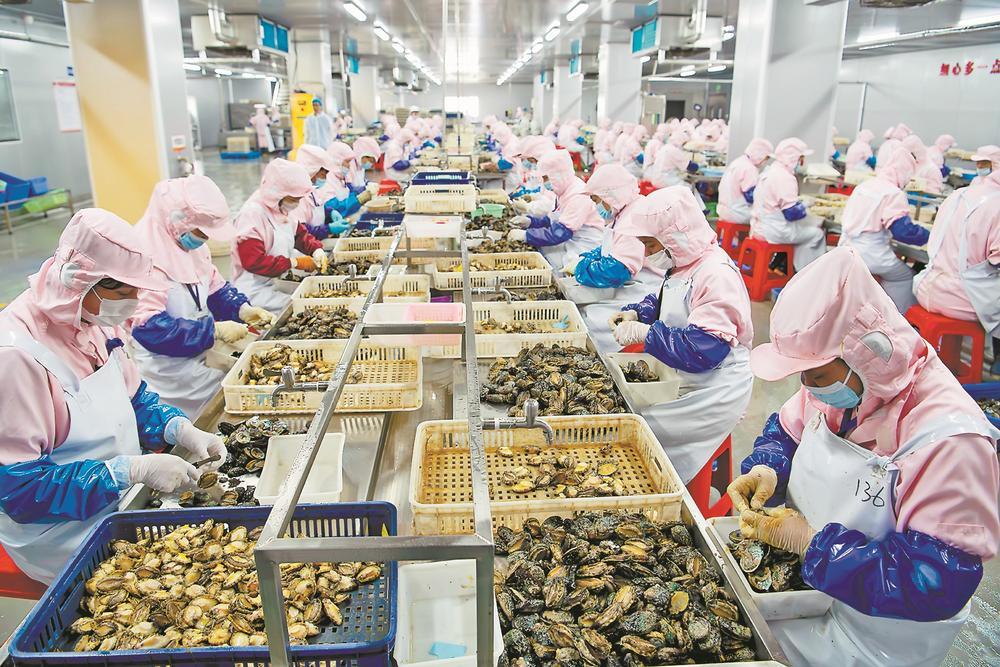
从监管维度看,“进口虾监管加码”的直接影响,不是立刻让市场缺货,而是改变买卖双方的风险定价方式:一旦抽检概率与合规要求上升,进口商与渠道会更倾向于选择文件完备、体系成熟、可追溯能力强的供应端,订单会从“单一低价”转向“可持续交付”。对上游而言,合规能力会成为新的门槛;对下游而言,选择稳定供应伙伴的权重将显著提高。
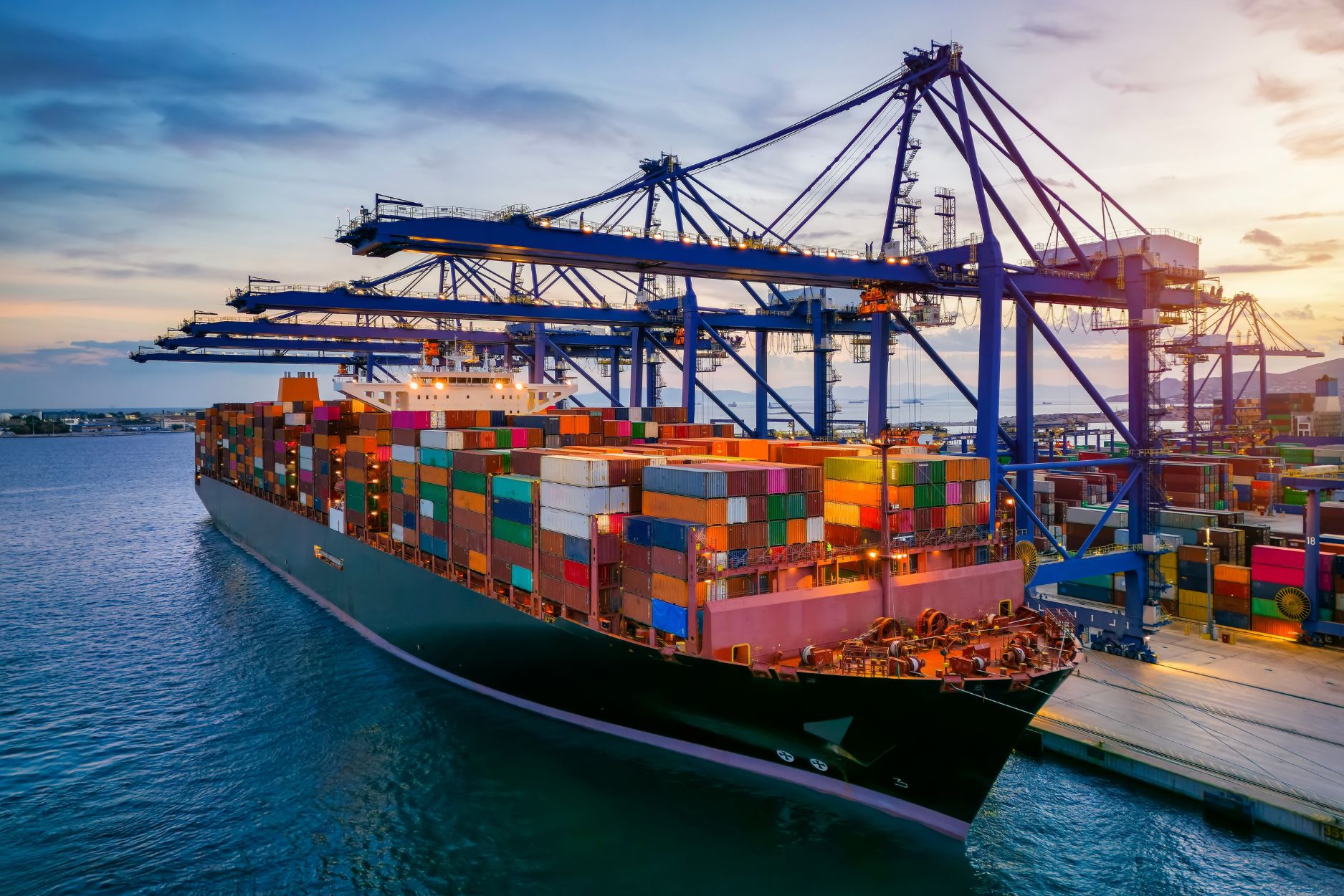
从物流维度看,航运公司对 2026 年运价与盈利的判断正在变得更谨慎,市场普遍关注“运力增加与线路回归”对总体运价的压制效应。但对于冻品水产来说,真正决定交付体验的并非仅仅是名义运价,而是班期可靠性与冷链设备在关键口岸/关键航线的可获得性。在部分线路上,即便整体运价回落,仍可能出现“订得到柜、但到货窗口漂移”的问题,进而影响客户补库节奏与渠道促销规划。
从供给侧看,全球虾类与部分水产的供给并非单一变量决定:养殖成本、饲料与能源价格、产区病害与天气、加工端人力与标准化能力、以及贸易政策等,都会影响最终到岸的可交付性。近期印度相关政策对水产加工输入品(部分包装、食品级辅料等)的支持信号,也在释放一个方向:各主要产地正在通过政策与成本工具,提升价值加工与出口竞争力。对渠道而言,未来更常见的情况将是“同类产品差异化拉大”:同样是虾,决定竞争力的可能不再是单价,而是合规稳定 + 工厂体系 + 交付连续性。
把视角拉回中国冻品市场(进口分销、餐饮供应链、团餐与零售端),这组信号会带来三类更直接的变化:
第一,渠道更重“可控交期”。当外部监管与物流波动上升,国内客户会更愿意为“准时到货”支付确定性溢价。对供应链企业来说,提前锁舱、锁柜、锁仓位,反而可能比追求低运价更重要;交付确定性一旦建立,就能在旺季形成更稳定的复购与长期合作。
第二,采购更重“文件与批次管理”。越来越多客户在招采环节会要求提供更清晰的追溯资料、标签规范、批次一致性说明。对于做进口或跨境业务的企业,文件管理不是后台流程,而是“与冷库、车队一样的基础产能”。文件缺失带来的延误,往往比表面运价波动更伤利润。
第三,品类替代会更频繁。当某一核心品类(如虾类)出现监管摩擦或到货不稳时,餐饮端会迅速寻找替代:部分白肉鱼类、鱿鱼类、贝类等会在菜单端形成替代链条。供应链企业若能提前准备替代 SKU 的规格、损耗、菜品适配与成本模型,就能在波动期抓住结构性机会。
综合来看,2026 年冻品水产行业正在进入“确定性竞赛”:市场不缺货源,但缺“可持续交付”;不缺报价,但缺“可兑现的履约”。在这种环境下,真正拉开差距的不是短期低价,而是供应链综合能力:稳定货源、标准化加工、严格品控、完善冷链、合规与文件体系,以及对客户场景的快速响应。
海和兴将持续跟踪海外监管与冷链变化,围绕“稳定交付与品质一致”优化供应保障:通过更严格的批次管理、更清晰的规格标准、更可控的仓配调度,为合作伙伴降低旺季波动成本,提升采购确定性与经营稳定性。
信息来源参考(公开报道/官方页面)
1)美国 FDA:2026 年对进口虾等海产品的监管与检查能力建设方向(行业媒体公开报道解读)
2)全球航运:运力过剩与航线回归预期对 2026 运价的影响(国际财经媒体报道)
3)冷藏集装箱市场:设备位置、班期可靠性与地缘不确定性对温控货的影响(行业物流机构市场更新)
4)产地政策:印度预算案对水产加工输入品的免税额度调整与出口竞争力(主流媒体报道)
Imported Shrimp Oversight Tightens as Cold-Chain Logistics Reprices: A 2026 “Certainty Race” for Frozen Seafood
Key News
A set of combined signals is reshaping the global frozen seafood landscape in 2026. On the regulatory side, the U.S. has highlighted stronger oversight on imported seafood—especially imported shrimp—aiming to enhance inspection capacity, data capability, and regulatory collaboration. On the logistics side, ocean shipping is entering a new pricing cycle as expectations around route normalization and capacity growth put pressure on freight rates. However, the reefer market remains sensitive to equipment positioning, schedule reliability, and geopolitical uncertainty—creating a new normal where rates may ease, but delivery windows still require disciplined management.
For frozen seafood businesses, this shifts competition away from “lowest price” toward “delivery certainty”: compliance readiness, predictable lead times, clear batch traceability, and consistent specifications. When tighter oversight meets logistics volatility, a single delay, inspection hold, or documentation gap can convert a controllable margin into an uncontrollable risk cost.
Market Trend
Regulatory tightening impacts the market first through “risk pricing.” As inspection probability and compliance requirements rise, buyers will increasingly prioritize suppliers with complete documentation, strong QA systems, and robust traceability. In other words, procurement decisions shift from “cheap enough” to “reliably deliverable.”
In logistics, headline rates may soften due to capacity expansion, but what matters most for frozen seafood is schedule reliability and reefer equipment availability on critical lanes and ports. Even in a lower-rate environment, delivery windows can drift, affecting restocking cycles and promotion planning for distributors and retailers.
Observation
For China’s frozen seafood market, these signals translate into three practical shifts: (1) stronger preference for controllable lead times; (2) higher weight on documentation and batch management; (3) more frequent category substitution in foodservice when core items face uncertainty. Businesses that prepare substitute SKUs with clear specs, yield-loss assumptions, and menu-fit guidance can capture structural opportunities during volatility.
Haihexing View: 2026 is a “certainty race.” The market may not be short of supply, but it is short of reliable fulfillment. Winners will be those who operationalize stability—standardized processing, strict QA, mature cold-chain execution, compliance readiness, and rapid response to customer scenarios.
Source Notes (Public Information)
– U.S. regulatory priorities around imported shrimp oversight (public reporting and official references)
– Global shipping capacity and rate direction in 2026 (international business reporting)
– Reefer market updates on equipment positioning and reliability (industry logistics updates)
– Policy signals supporting value-added seafood exports in major origin countries (mainstream reporting)